
Reactor Tanks Coating Removal with RPR Heat Induction
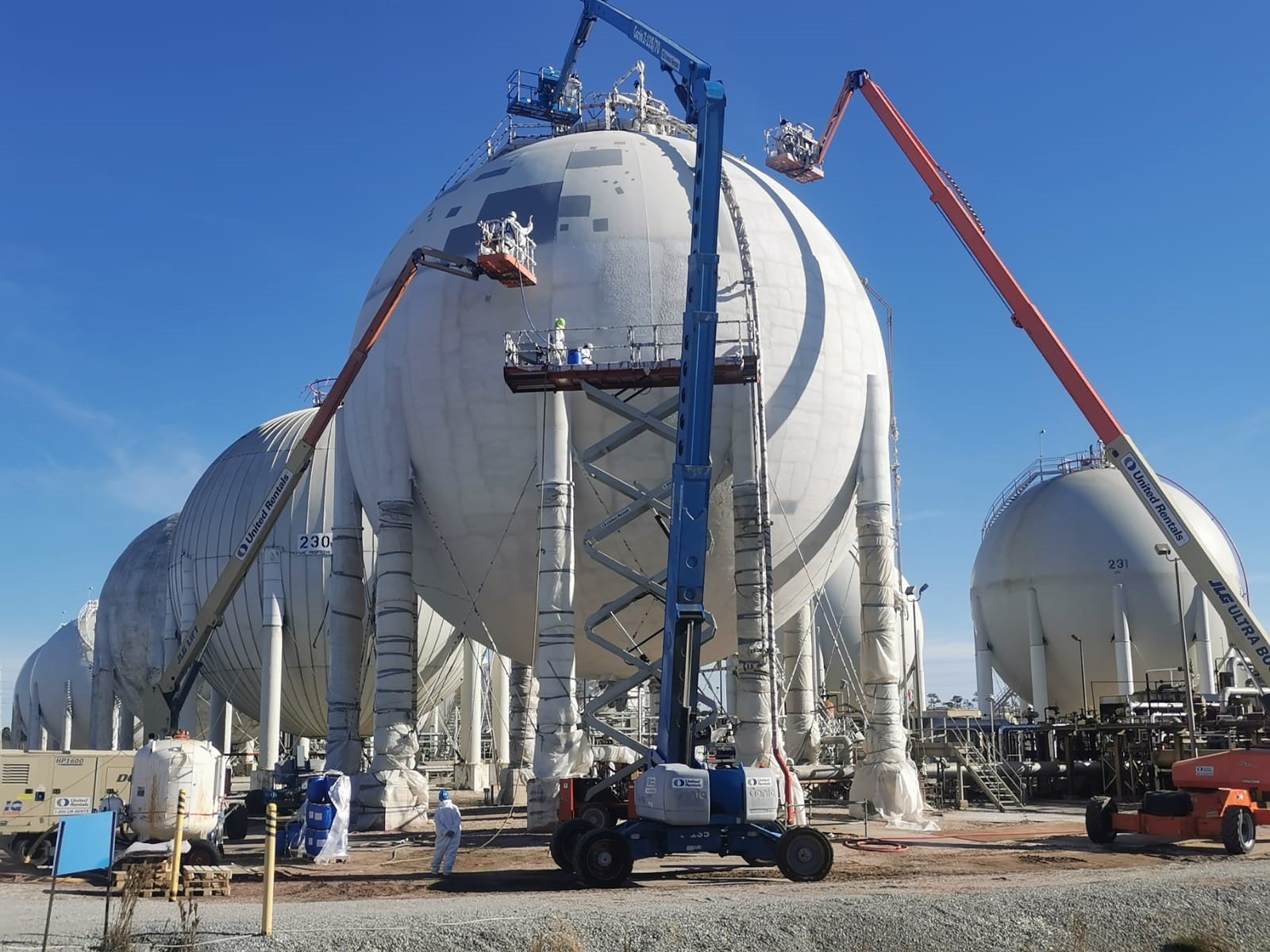
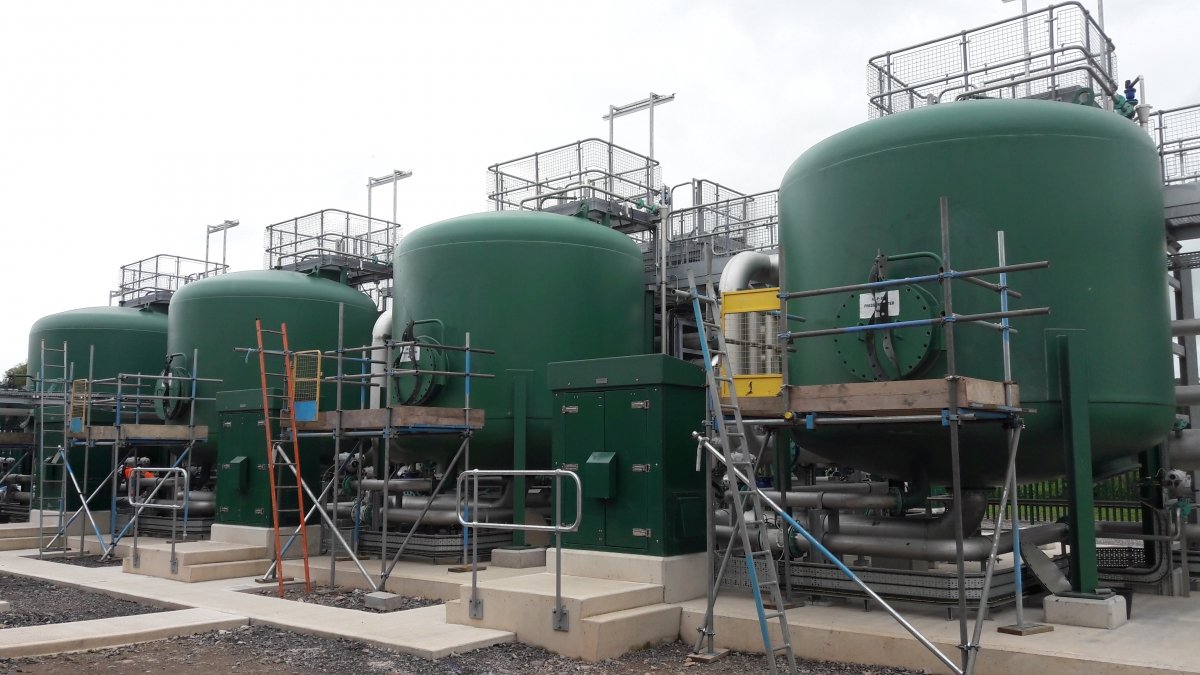
Specialist Painting Group used advanced RPR heat induction technology to remove the existing coating system from seven reactor tanks within a potable water facility, before applying a premium PPG protective coating system to restore long lasting protection.
Table of Contents
Why Abrasive Blasting Was Replaced on the Reactor Tanks
Abrasive blast cleaning was originally chosen for the task. However, it introduced significant challenges, including heightened safety risks, excessive noise, air pollution, hazardous waste and disruption to the project schedule.
In an operational water facility, these issues matter. Noise and dust affect everyone on site, waste has to be contained and disposed of, and other trades may be unable to work nearby while blasting is under way. Drawing on extensive experience in industrial surface preparation, SPG recommended RPR heat induction as a better way to remove the coating.
How RPR Heat Induction Works
RPR heat induction uses an induction field to heat the steel just behind the coating, breaking the bond between the paint and the substrate. The coating then lifts away in sheets rather than being broken down into dust. Learn more about our RPR heat induction coating removal service.
RPR heat induction is a silent, environmentally friendly process that generates minimal airborne pollution. That created a safer and cleaner working environment on the reactor tanks, reduced health and safety concerns and allowed other trades to keep working uninterrupted.
Preparing and Recoating the Reactor Tanks
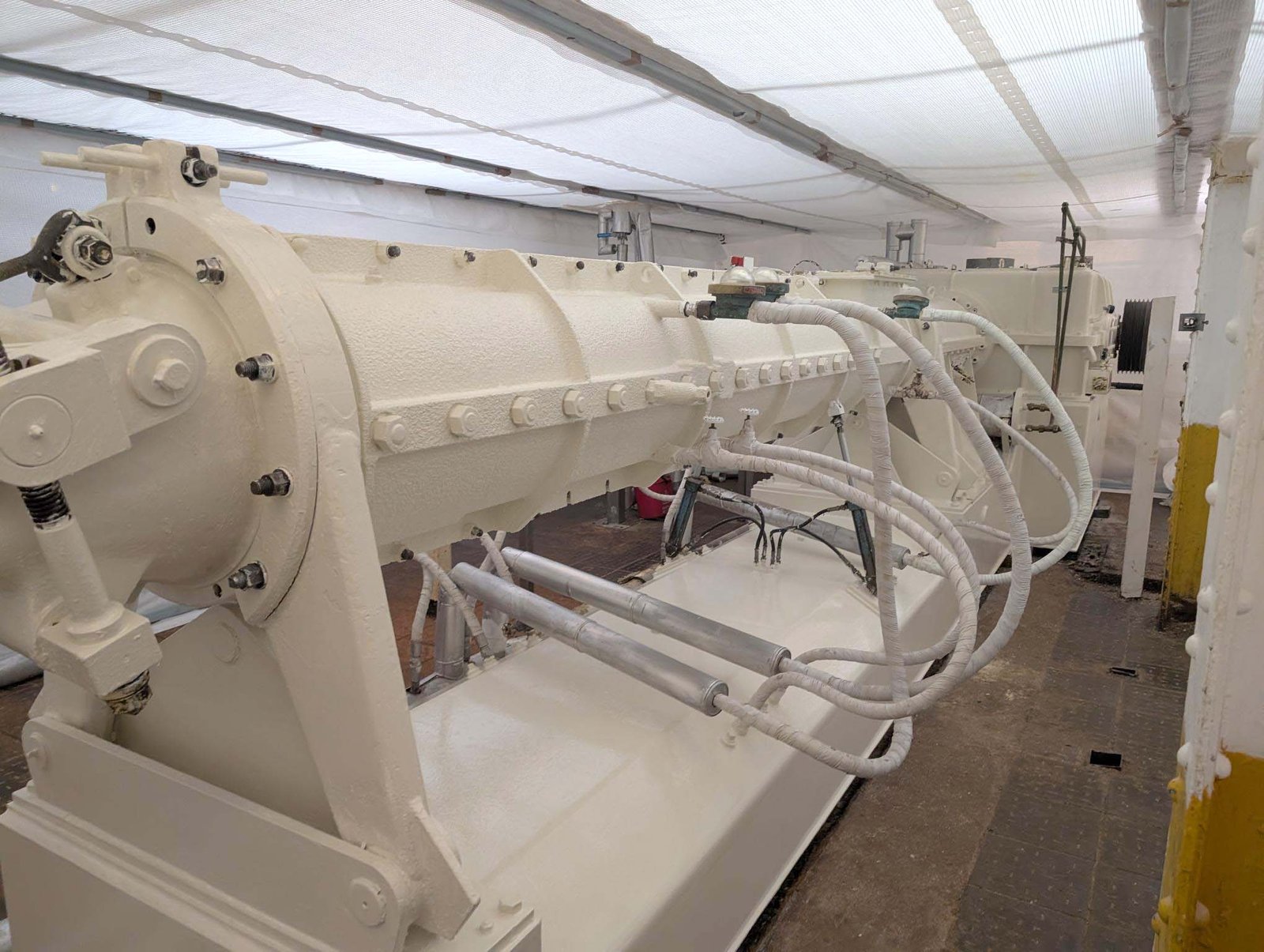
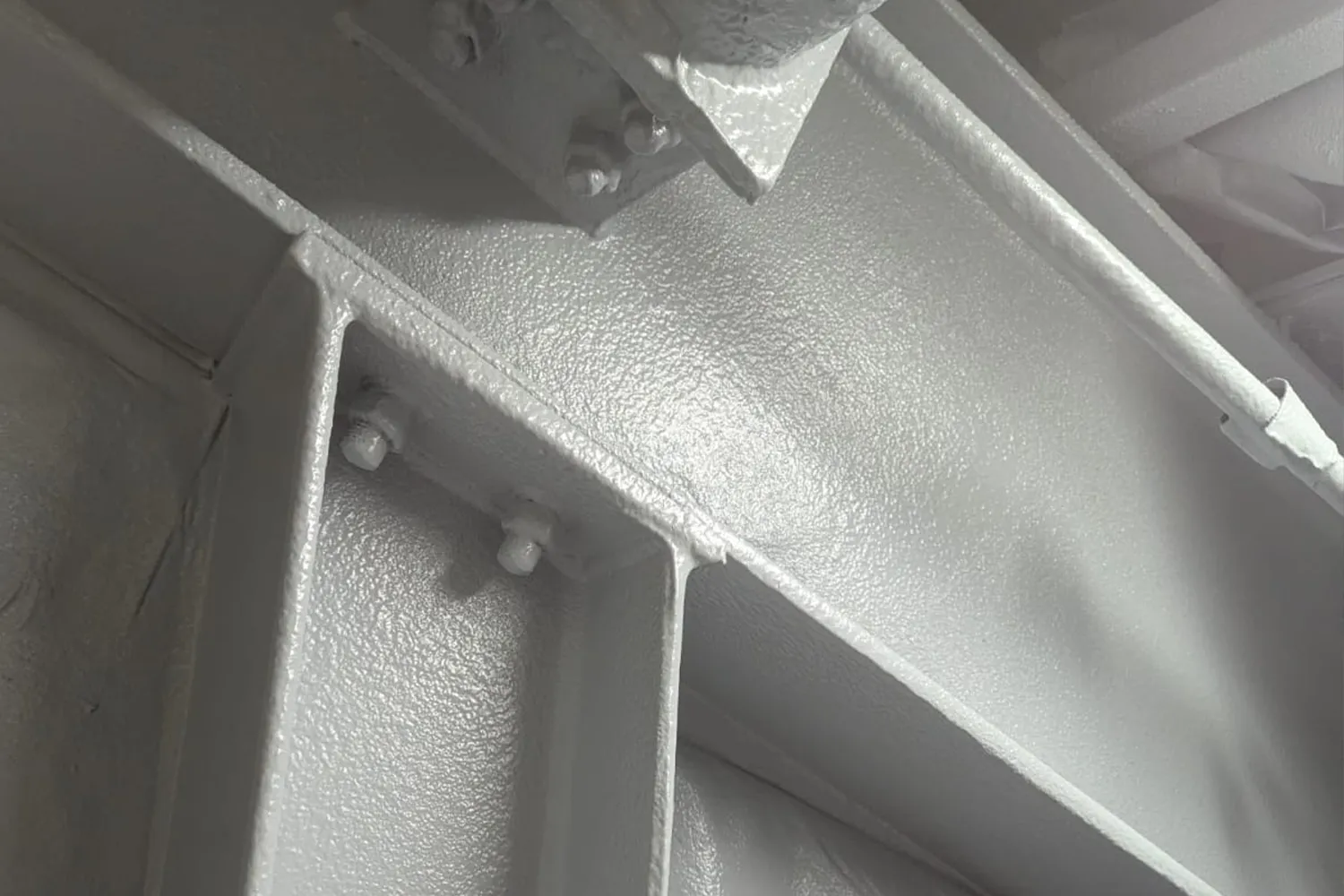
Once the coating system was safely removed, mechanical preparation techniques were used to meet the specified surface standards, giving the new coating the right surface for optimal adhesion.
SPG then applied a premium PPG protective coating system, delivering long lasting protection and durability for all seven reactor tanks. Find out more about our tank linings and protective coatings services.
Coating Work in Potable Water Facilities
Water treatment assets operate under strict controls, and coating work inside them has to be planned with care. Materials in contact with drinking water in the UK are overseen by the Drinking Water Inspectorate, and contractors must keep sites clean, safe and free from contamination. Choosing a low dust removal method such as RPR heat induction helps keep the wider facility protected while work takes place.
Choosing the Right Removal Method
No single surface preparation method suits every job. Abrasive blasting, UHP water jetting, mechanical preparation and RPR heat induction each have strengths depending on the substrate, the coating and the environment. Assessing these factors early, as on the reactor tanks project, can avoid delays and reduce risk once work begins.
Planning a Coating Project
Every successful coating project starts with understanding the condition of the existing coating and the steel beneath it. A survey identifies where the coating has failed, how far corrosion has progressed and whether the old system can be overcoated or needs to be removed completely. That information shapes the choice of surface preparation method and the new coating specification.
SPG supports asset owners through each of these stages, from coating inspection and specification advice through to preparation and application. Projects such as the reactor tanks show how the right plan, agreed at the outset, keeps work safe, efficient and on programme.
Protecting Tanks for the Long Term
Tanks that hold or treat water are exposed to constant moisture, and their coatings are the main defence against corrosion. Regular inspection helps catch early breakdown before it spreads, so repairs stay small and planned rather than urgent and disruptive.
Why Choose SPG
Specialist Painting Group has delivered industrial coating projects since 1997. Our operatives are ICATS certified, and we hold RISQS, SafeContractor, ISO 9001, ISO 45001 and ISO 14001 accreditations, giving clients the competence, safety management and quality systems they expect from a specialist contractor.
See the sectors we work in, or contact us to discuss your tanks or process equipment.