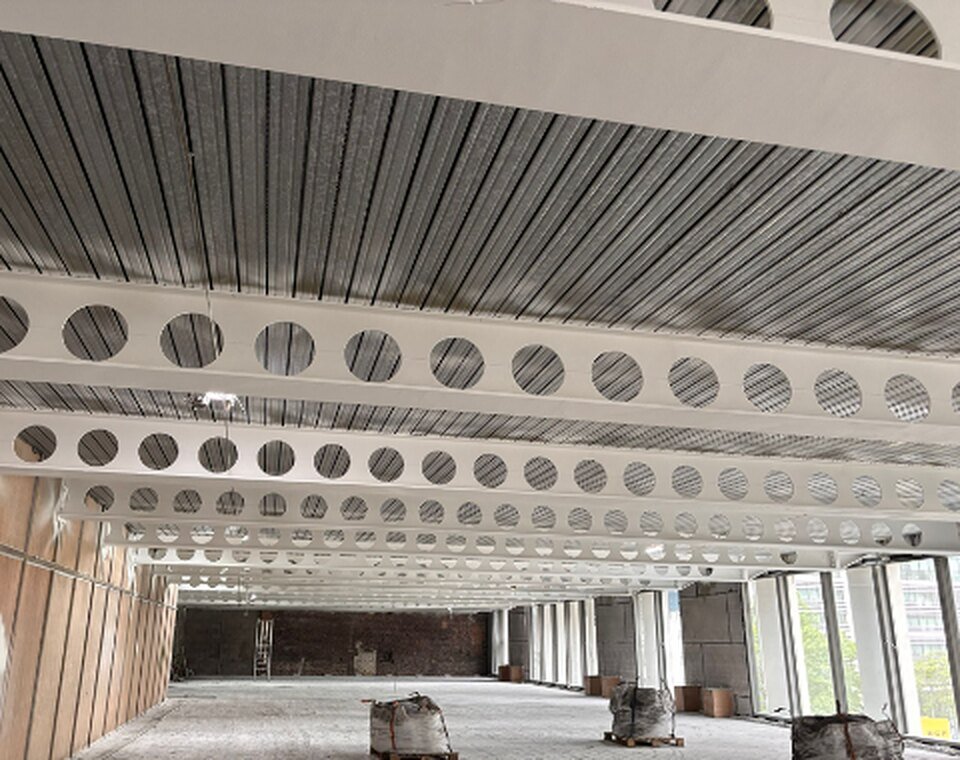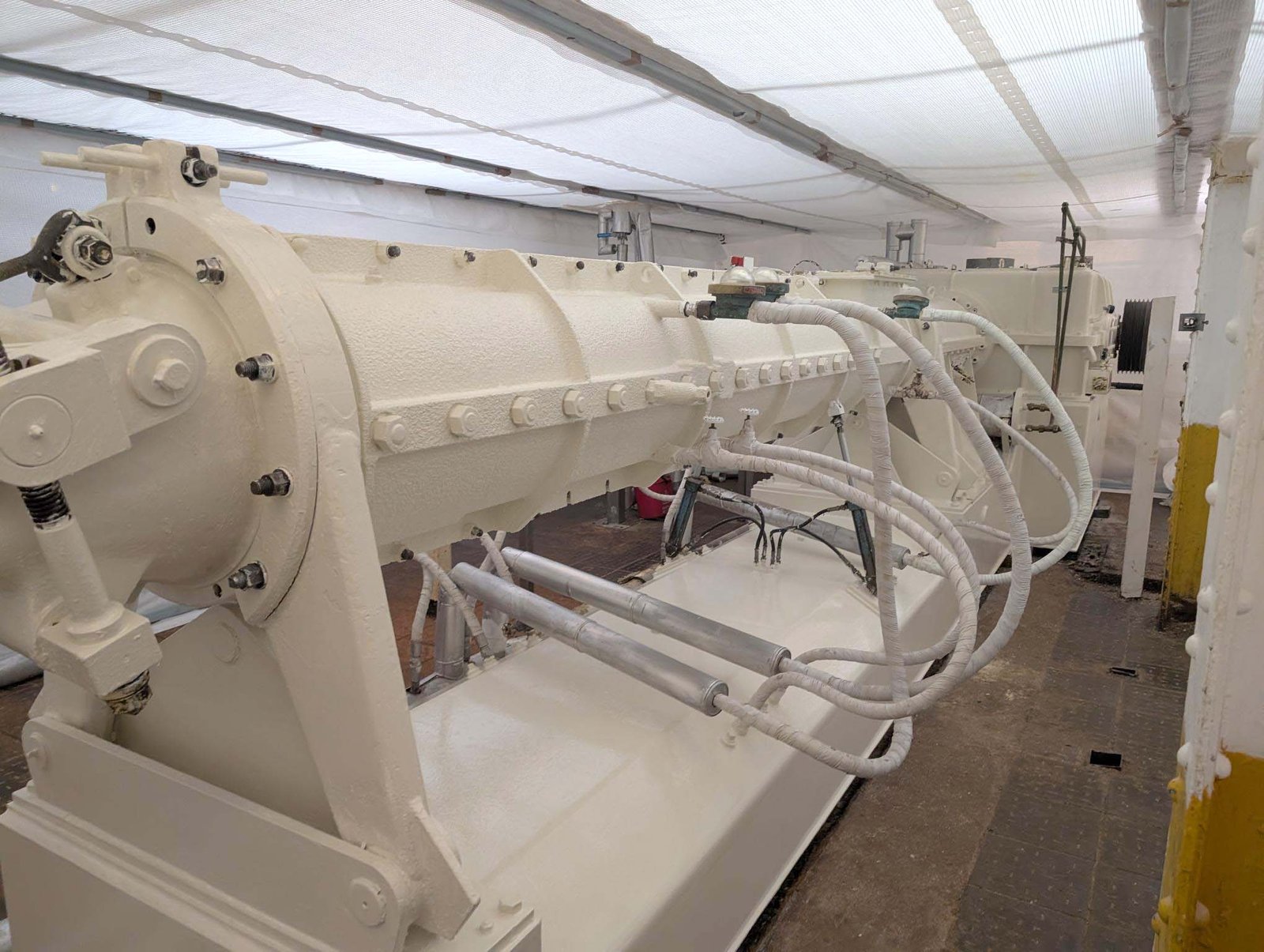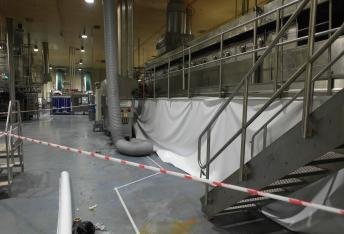
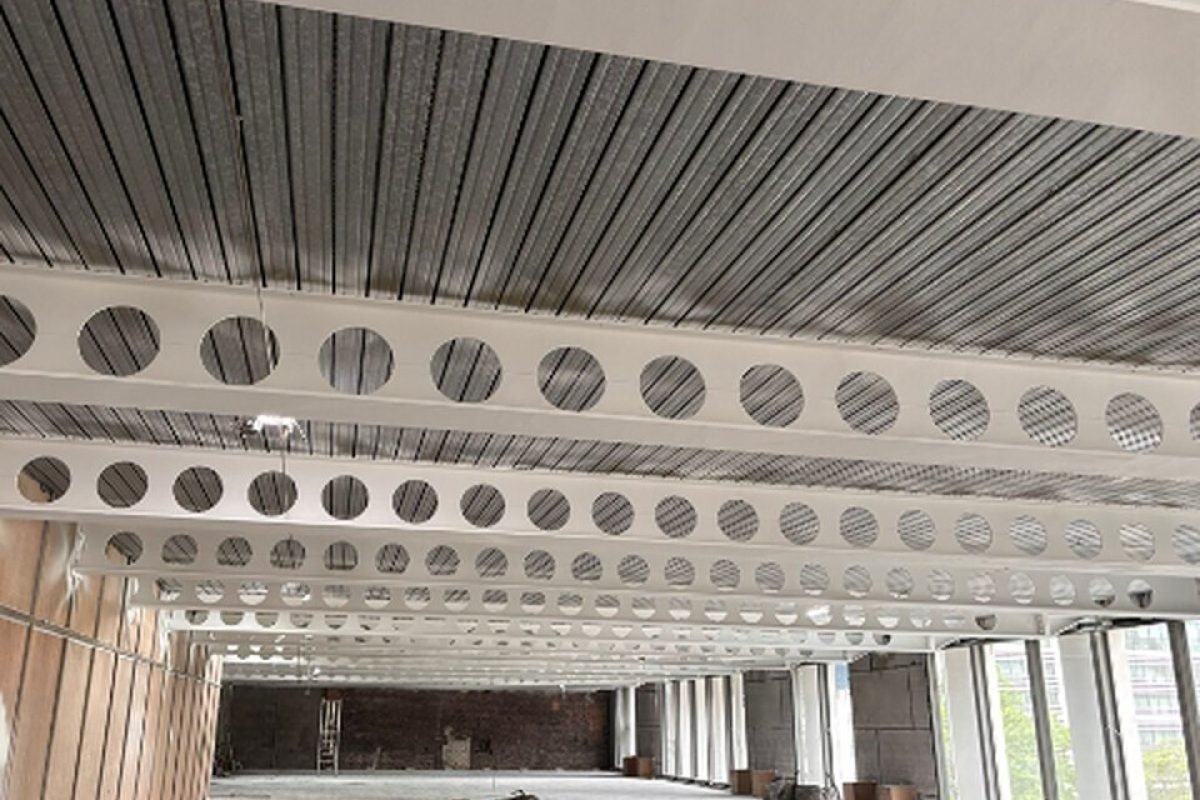
Structural steel fire protection was the defining requirement on a nine month programme completed by Specialist Painting Group at 30 Finsbury Square, London, delivered for principal contractor Collins Construction. The scope covered coating removal, surface preparation and the application of a 60 minute fire protection system to the building’s steel frame, carried out level by level on a live City of London construction site.
The brief at 30 Finsbury Square
Structural steel fire protection on this building could not begin with the coating. The steelwork at 30 Finsbury Square carried an existing coating system that had to come off before any new protection could go on. That meant three distinct stages had to run in sequence across every level of the building: remove the old coating, prepare the steel to the required standard, then apply the fire protection system to the specified period of resistance.
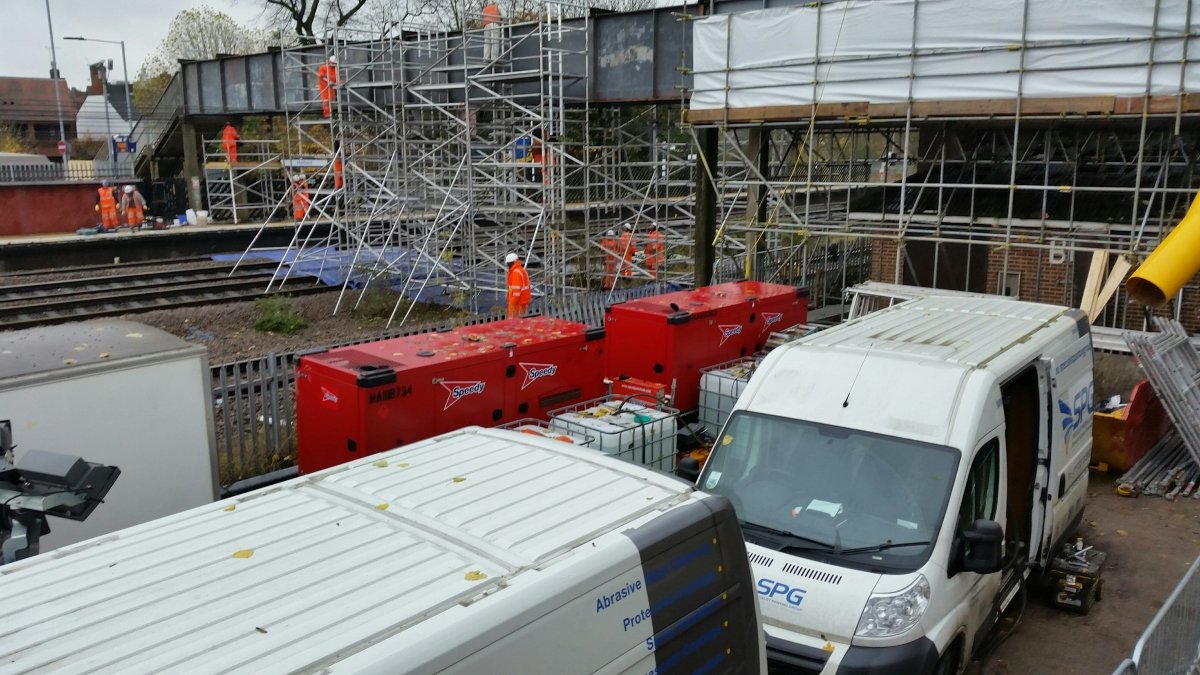
Working inside an occupied construction programme added a further constraint. Scaffold, roof sheeting and access routes were shared with other trades, so SPG sequenced its works around the follow on programme rather than treating the building as a single continuous workface.
Why structural steel fire protection starts with coating removal
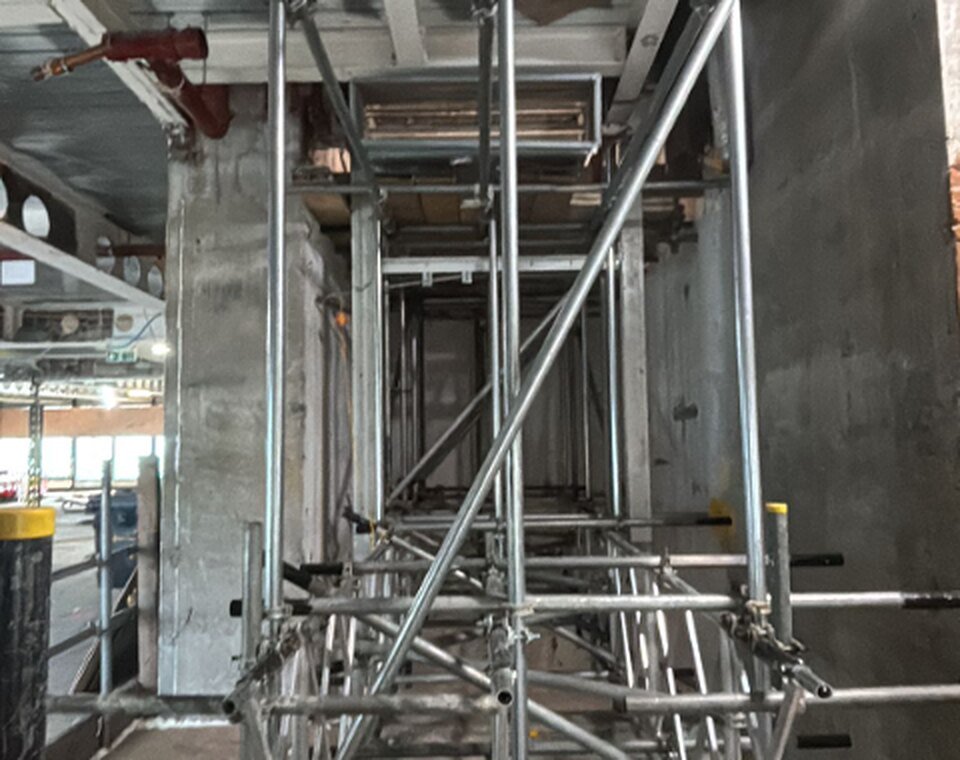
Intumescent coatings only perform as tested when they are applied to a properly prepared substrate. An aged multi layer coating left in place would compromise adhesion and put the certified performance of the new system at risk, so full removal was specified rather than overcoating.
SPG used RPR heat induction to strip the existing coating. Induction removal lifts a coating from the steel using localised heat rather than mechanical impact or chemical stripper. It produces no blast media, keeps dust and noise down, and captures the removed coating as a solid waste stream, which matters on a confined city centre site with neighbouring occupiers.
Surface preparation by dry abrasive blast cleaning
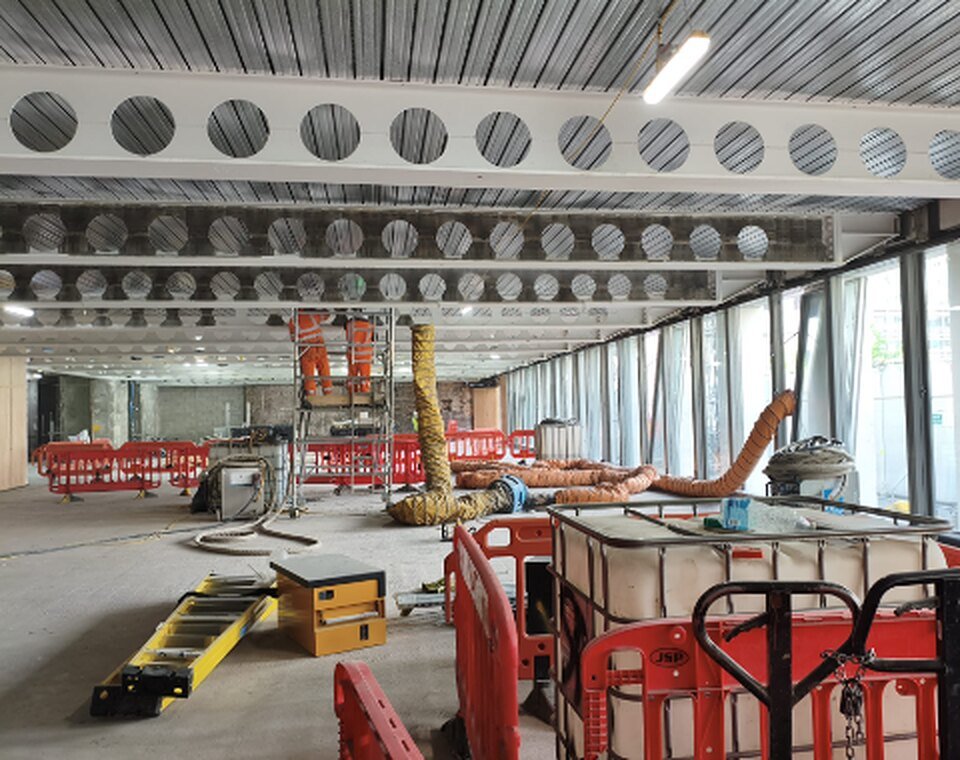
With the old system off, the steel was prepared by dry abrasive blast cleaning to establish the cleanliness and surface profile the coating manufacturer requires. Approximately 360 tons of abrasive were used across the programme, an indication of the scale of steelwork treated.
Blast cleaning on an occupied site is as much a containment exercise as a preparation one. Voids and gaps were sealed ahead of each blasting phase to control media and dust, and blasting equipment was mobilised level by level as scaffold and roof works were completed above.
Applying 60 minute fire protection with PPG Steelguard
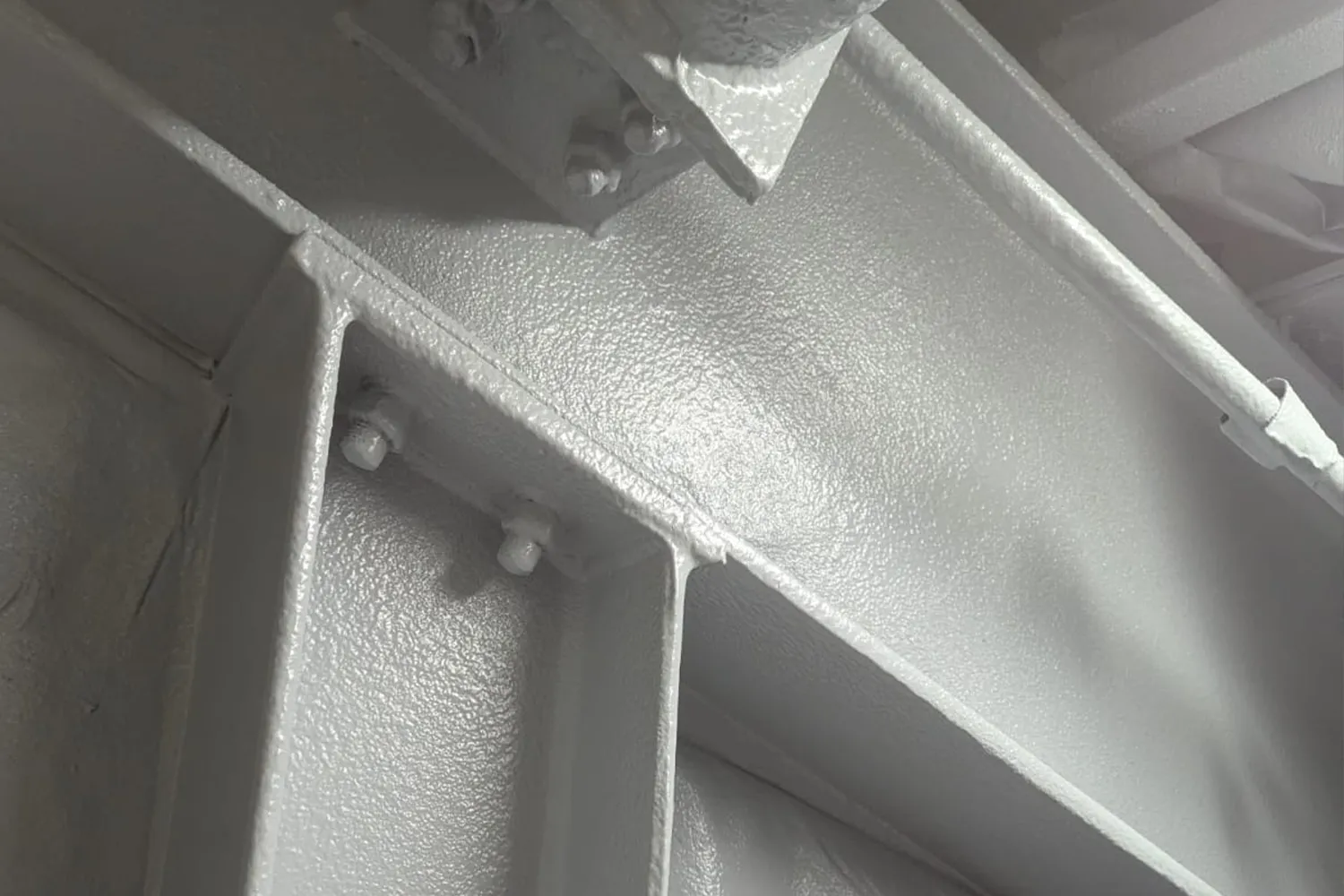
The fire protection system specified was PPG Steelguard 851 and 951, applied to achieve 60 minutes of fire resistance to the structural steel frame.
Steelguard is an epoxy intumescent range used where a durable, spray applied fire protection coating is needed on structural sections. Under fire conditions the coating expands to form an insulating char that slows the rate at which the steel reaches its critical temperature, buying the time the building’s fire strategy depends on.
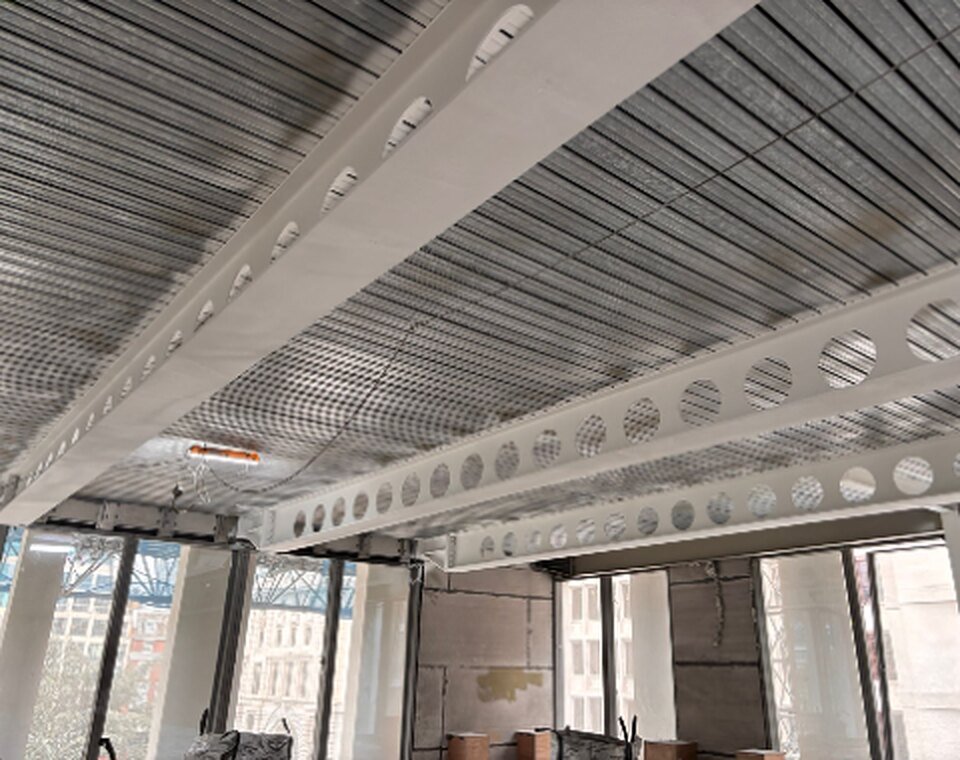
Application followed a controlled sequence on each level: a stripe coat by brush to edges, bolts and detail areas first, then spray application of the intumescent to the specified dry film thickness, followed by snagging. Stripe coating is easy to skip and expensive to put right, because edges and fixings are exactly where coverage falls short if detail work is rushed.
Working level by level on a live site
Structural steel fire protection on a building of this size runs as a rolling sequence rather than a single phase. At any point SPG could have coating removal under way on one level, blast preparation on another and intumescent spraying on a third, with equipment moved up the building as each level was released.
That approach kept the works moving when access was restricted. Where scaffold above a ramp or incomplete roof sheeting held up blasting on one level, effort was redirected to removal or application work elsewhere in the building rather than standing the team down.
The outcome
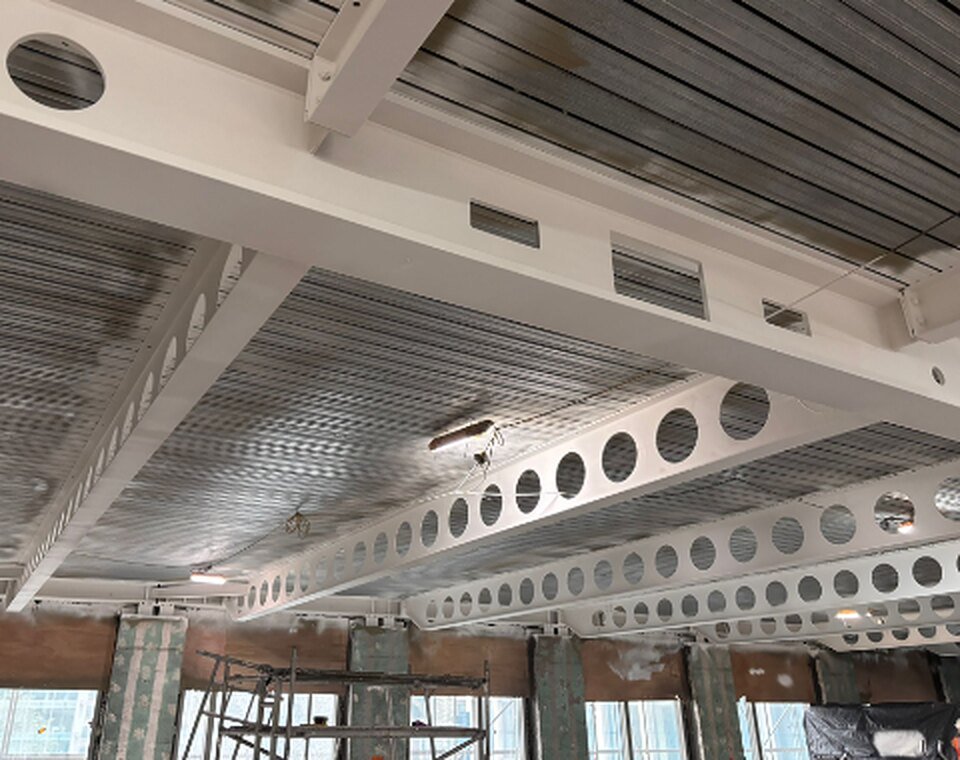
Over nine months, SPG removed the existing coating system, prepared the steel and applied 60 minute fire protection across the structural frame at 30 Finsbury Square, working alongside the wider construction programme throughout.
The project is a good illustration of what full scope passive fire protection involves. The intumescent coating is the visible part, but structural steel fire protection only performs as certified when it rests on the removal and preparation work that comes before it, and on sequencing that fits the realities of a live construction site.
Specialist Painting Group delivers structural steel fire protection, corrosion protection and specialist coating applications across the rail, highways, waterways, processing, renewables, nuclear and utilities sectors. Call 01733 309500 or email info@spg.uk.net to discuss a project.